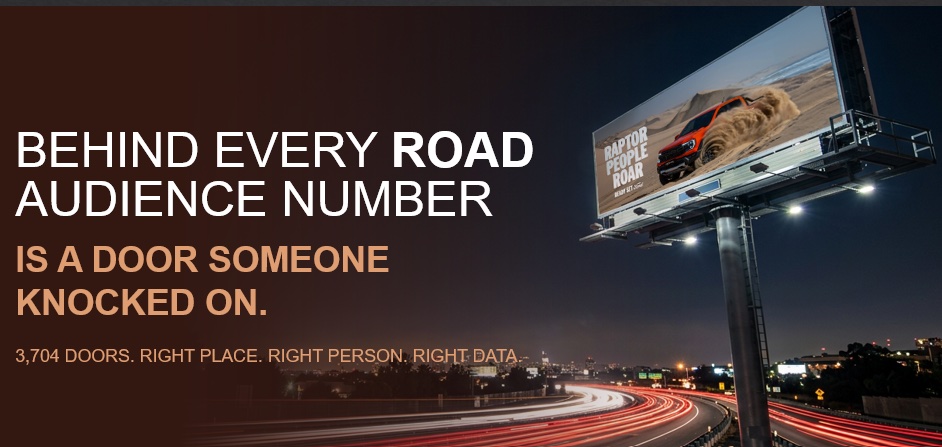
When audience measurement results are presented, it is easy to focus on the numbers. Yet behind every ROAD audience figure lies an enormous amount of work, dedication and perseverance by the field teams responsible for collecting the data.
For almost a decade, Ask Africa, the OMC’s research collection partner, has conducted extensive travel surveys to gather the travel behaviour and demographic information that underpins the ROAD currency. The latest R06 release is based on an impressive rolling, fused sample of 74,723 unique individuals surveyed between 2017 and 2026, providing one of the most robust audience datasets available.
While the scale of the sample is impressive, the reality of collecting this information is far from simple. During the recent R06 presentation, Sanna Fourie from Ask Africa provided valuable insight into some of the challenges encountered by interviewers in the field.
In just 80 days of data collection, field teams experienced a range of obstacles, including:
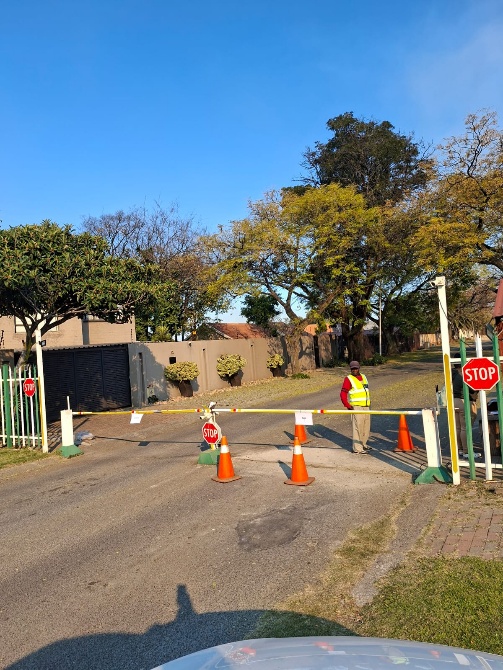
- Gaining access to gated and boomed residential areas, often requiring advance engagement with security companies, body corporates and estate management before interviews could commence.
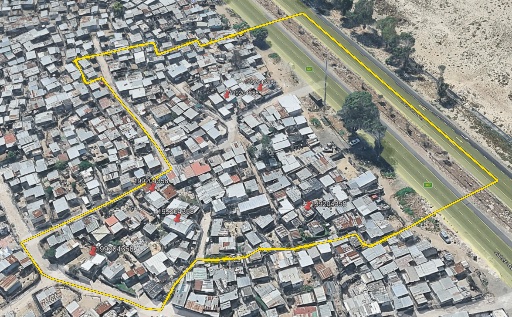
- Locating homes in informal settlements, where there are often no street names or house numbers. Accurate GPS coordinates are essential to identify the correct dwelling, with interviews conducted only once the precise location has been verified.
- Safety risks and hostility, including being mistaken for scammers, having stones thrown at interviewers, experiencing physical intimidation, and in one instance, a team being robbed.
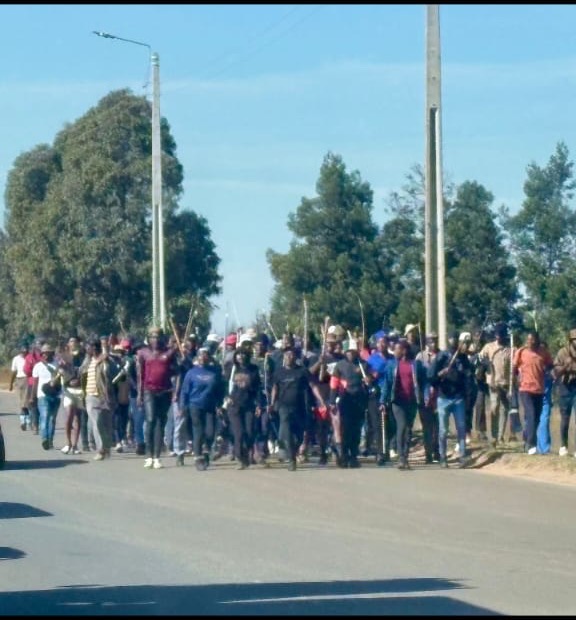
- Restricted access resulting from community unrest and gang activity, where community policing forums advised teams to leave affected areas for their own safety. In another instance, fieldwork was disrupted due to a missing child investigation within the community.
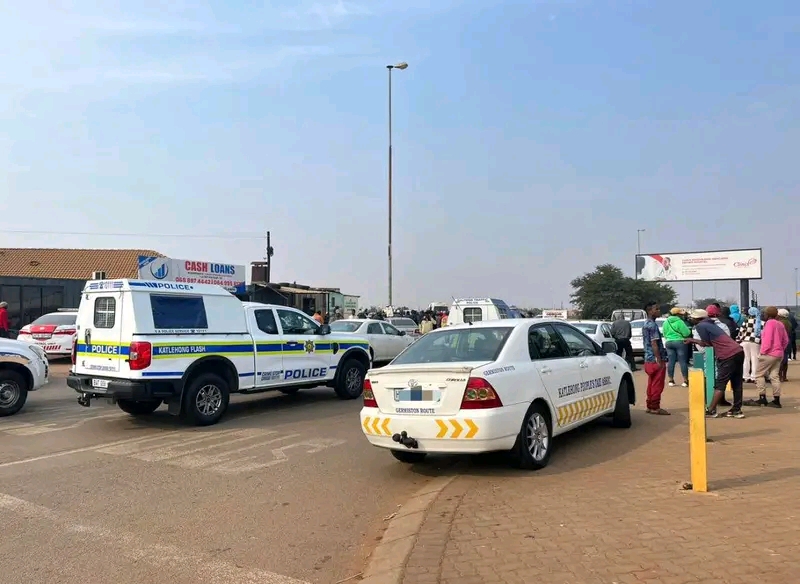
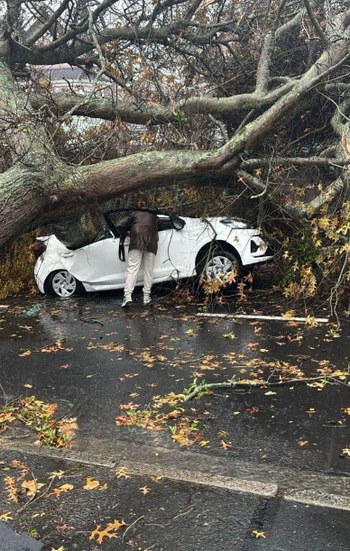
- Severe weather conditions, including storms, flooding, impassable roads, fallen trees and vehicles becoming stuck in mud, all of which significantly impacted field operations.
These challenges often meant that interviewers had to return to households multiple times, sometimes making three visits before an interview could be completed. Throughout the process, however, the safety of field teams remained the highest priority.
The presentation also highlighted the rigorous sampling methodology employed. Address selection, respondent selection and demographic balancing are carefully managed to ensure that the final dataset represents a truly national and random sample of the South African population.
This commitment to methodological excellence is what ensures ROAD remains an independent, reliable, credible and statistically robust audience measurement currency.
The OMC is also fortunate to operate within a relatively small group of markets that conduct travel surveys on a regular basis and at meaningful scale. In many countries, considerably smaller samples are collected and then relied upon for periods of three to five years before being updated.
As industry users, we often see only the final audience figures. It is worth remembering that behind every ROAD number is a real person, a real interview and often a remarkable effort from the field teams who knock on doors across South Africa to ensure the industry has data it can trust.
Because behind every ROAD audience number, there is a knock on a door.