
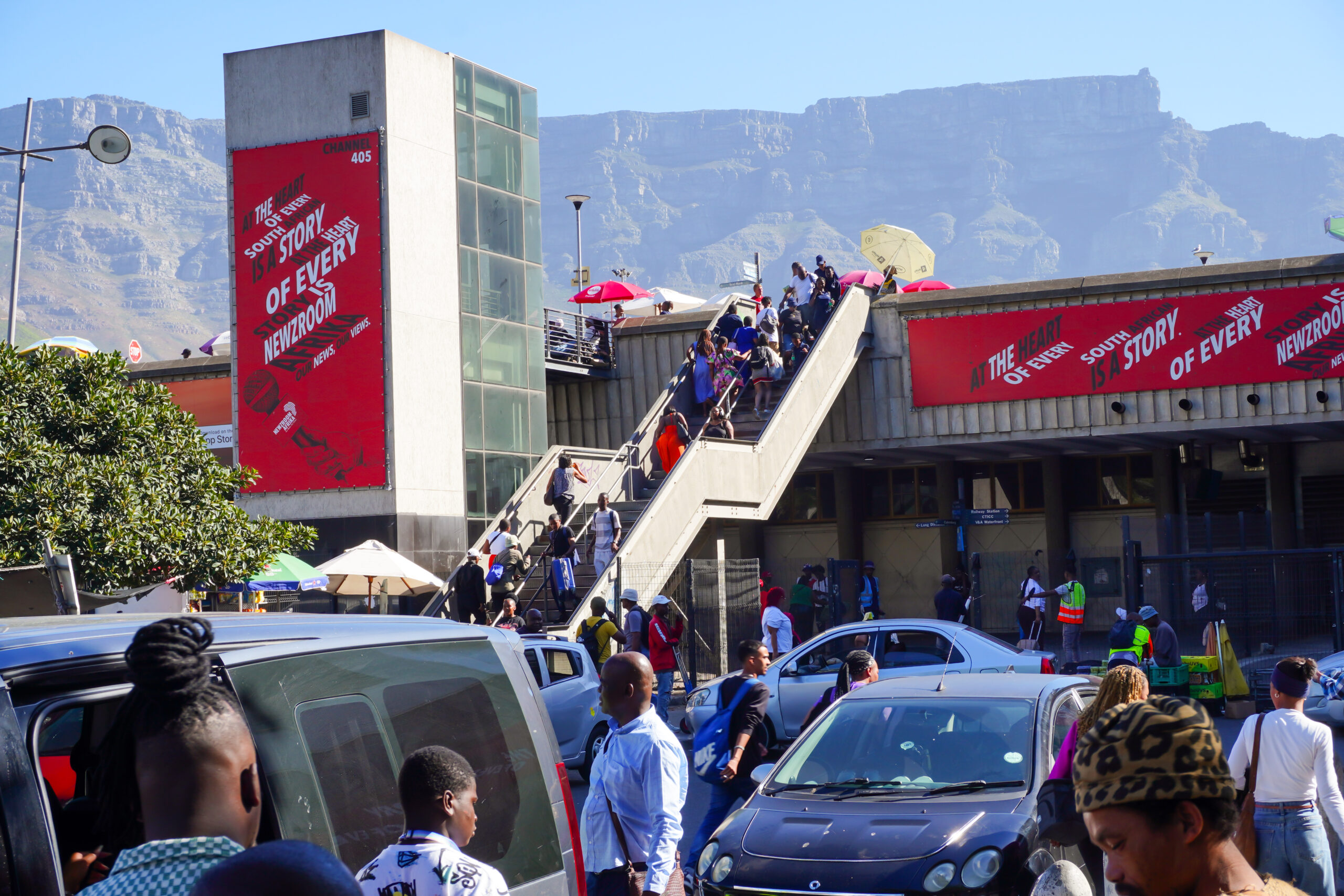
In highly regulated urban environments like Cape Town, traditional out-of-home (OOH) advertising models built around large-format strategic placement are becoming increasingly difficult to execute. Strict municipal by-laws, heritage protections, environmental controls and preserved view corridors significantly limit the development of new roadside inventory, creating one of the most constrained OOH markets globally.
Yet this restriction presents an important strategic shift for marketers: effectiveness is no longer defined by a single large placement, but by the ability to dominate an environment.
From Site Ownership to Space Ownership
As high-impact billboards become scarce, brands are moving beyond isolated placements toward spatial dominance. This approach focuses on controlling multiple touchpoints within a defined geographic area, creating continuous visibility rather than momentary exposure.
In dense commuter ecosystems, where audiences move through multiple transport modes and urban nodes daily, dominating the advertising environment can significantly amplify brand impact. Instead of competing for attention at one point, brands embed themselves across the entire journey. Repeated exposure across multiple formats strengthens memory structures, reinforces mental availability, and increases the likelihood of brand recall at the point of decision.
The Commuter Journey as an Attention Engine
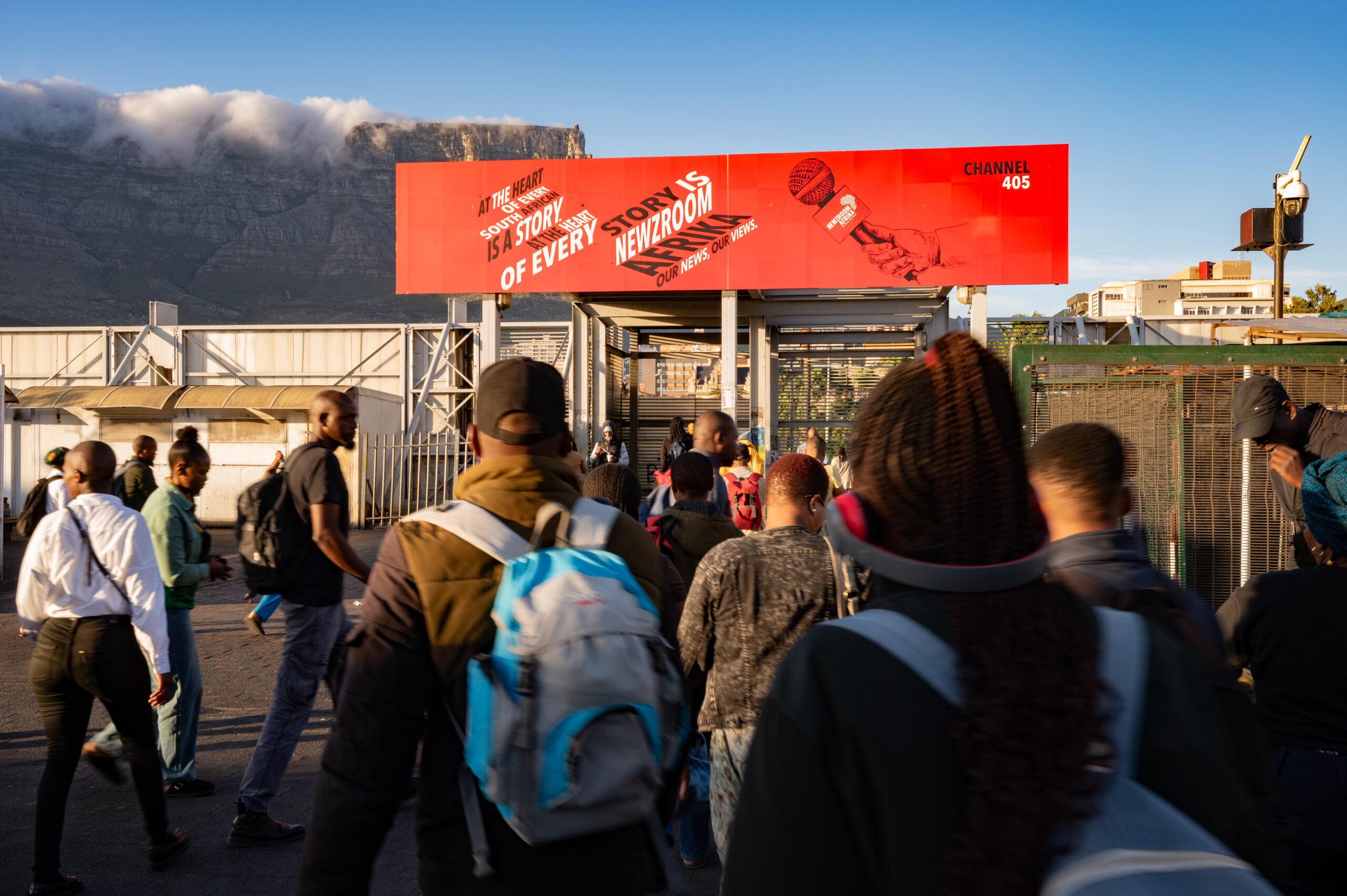
Urban mobility patterns in Cape Town have evolved into highly intermodal behaviour. Commuters walk, use minibus taxis, travel on integrated rapid transport systems, board trains, and rely on e-hailing services, often within a single journey. This high-volume movement is backed by robust transit data: Based on the most recent 2024–2026 data from the City of Cape Town and the MyCiTi Integrated Annual Reports, MyCiTi bus ridership averages 1.61 million trips per month while PRASA Western Cape completed over 22.8 million passenger trips during the 2024/25 financial year (PRASA integrated annual report 2024/5). According to our Protrack data, Transit TV, Transit Ads’ digital place-based network, has generated an average of 3.14 million monthly verified impressions (VACs) across screens placed in the province’s key commuter hubs in the Western Cape.
Each stage presents an opportunity for reinforcement. When brands dominate these environments, exposure shifts from incidental to unavoidable. The effectiveness of this model lies in continuity. Rather than relying on a single impression, the audience encounters consistent messaging from origin to destination, increasing dwell time, strengthening recall, and accelerating brand familiarity.
Why Dominance Drives Effectiveness
Advertising effectiveness consistently highlights the importance of reach and frequency. Environmental dominance delivers both simultaneously. When a brand controls multiple surfaces across a commuter ecosystem, several effects emerge:
- Extended Dwell Time: Commuters linger in direct view of our screens at taxi ranks for an average of 1 minute 56 seconds, within a total environment dwell time of nearly 54 minutes. This extended window allows for complex storytelling and multiple brand touchpoints.
- High Frequency & Cognitive reinforcement through repeated exposure**:** With ads looping 4 times per hour, the network delivers over 64 plays daily**.** Considering that an average of 7.6 screens are seen per visit, and commuters visit a rank an average of 2.1 times daily, this creates a high-frequency environment that ensures a brand has the potential to be seen multiple times during a single journey.
- This also translates to perceived market leadership through visual presence, reduced competitive noise within the environment, higher share of voice at scale and stronger brand salience in everyday contexts.
In restricted markets especially, where inventory is limited and attention is fragmented, dominating available space allows brands to maximise the impact of scarce media opportunities.
Transit Infrastructure as Strategic Media
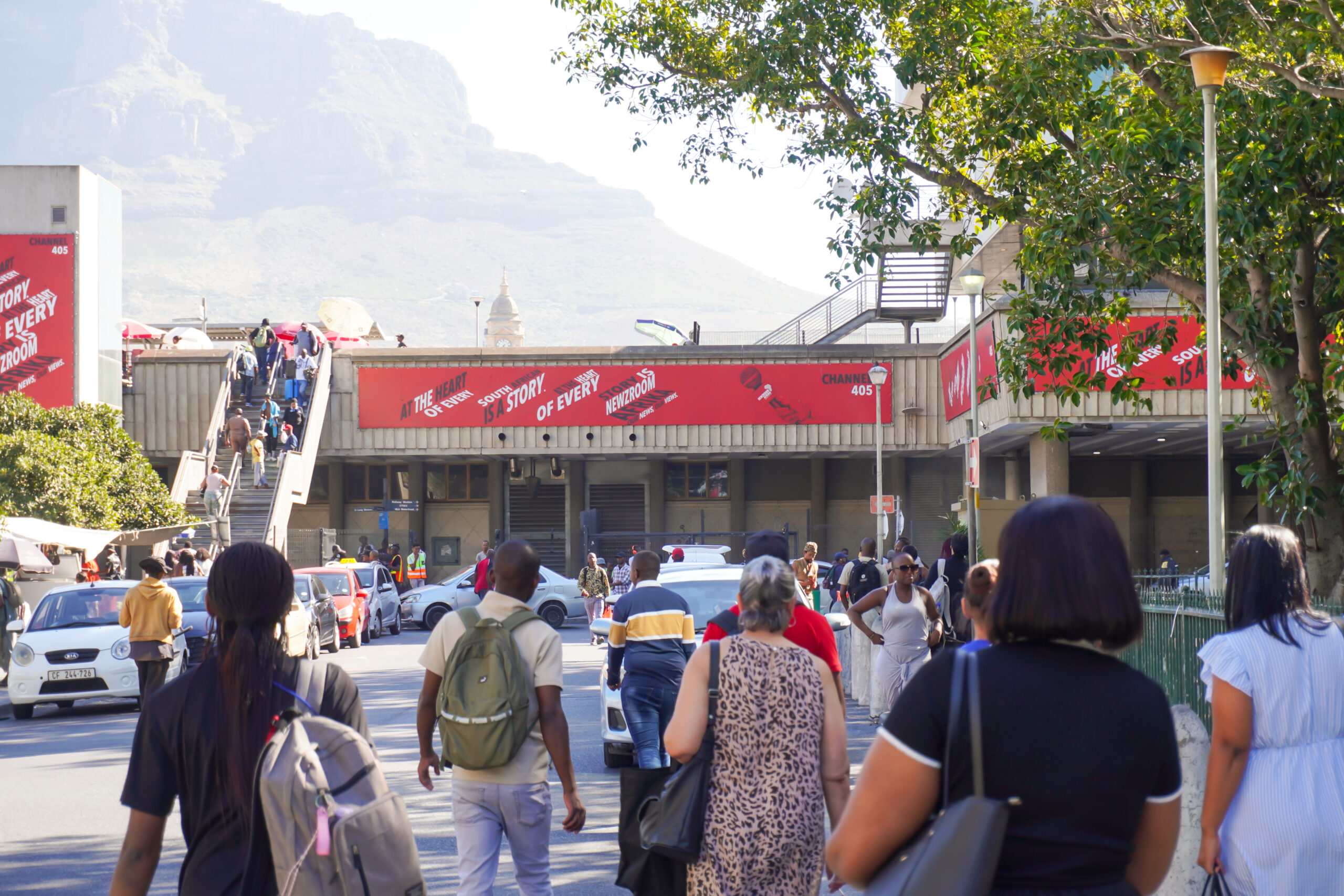
Transit environments are particularly powerful because they combine scale, frequency and audience diversity. Platforms such as the MyCiTi Integrated Rapid Transit System and commuter rail networks operated by Passenger Rail Agency of South Africa connect major economic and residential nodes daily, delivering consistent exposure across income segments and geographic areas.
Shamy Naidu, director of Transit Ads at Provantage says, “Through exclusive branding rights on Cape Town’s MyCiTi Integrated Rapid Transit system, the company offers advertisers the province’s only consistent, city-sanctioned mobile OOH platform. MyCiTi moves people daily across income segments and destinations, from the CBD to Table View, from the airport to university districts, giving brands high-frequency exposure on clean, well-maintained and audited assets.”
These environments are behavioural ecosystems where people spend time, repeat routines, and form habits. Advertising within them benefits from predictable movement patterns and high dwell times, both critical drivers of message absorption.
Building Unavoidable Media Networks
In the Western Cape, providers such as Transit Ads and Street Network have developed portfolios designed to help brands dominate the urban environment. By utilising taxi ranks, rank lites, bus shelters, and MyCiTi street furniture, they create a continuous chain of contact that mirrors the consumer’s physical journey, from home, through the suburbs, into major corridors, and into the CBD.
The future of OOH effectiveness lies in creating unavoidable media networks. This means layering physical and digital formats across transport corridors, transit nodes, and pedestrian environments to deliver seamless brand presence. This presence is quantified by a network of over 18 digital screens, 53 static panels, 288 MyCiTi bus shelters and 285 legacy shelters across the Western Cape.
Complementing this, Transit Ads’ partnership with PRASA opens up South Africa’s busiest commuter rail environments such as Cape Town station (2 341 210 VACs) and Bellville (665 760 VACs). These are high-density nodes where repetition translates into tangible brand recall. When combined with the MyCiTi IRT stations (1 090 024 VACs**)**, these become high-density nodes providing brands with both physical dominance and measurable audience scale.
A New Definition of Impact
As cities continue to regulate visual landscapes and protect urban environments, marketers must rethink how they define impact in OOH.
The question is no longer: How big is the site? The question is: How completely does the brand own the space?