
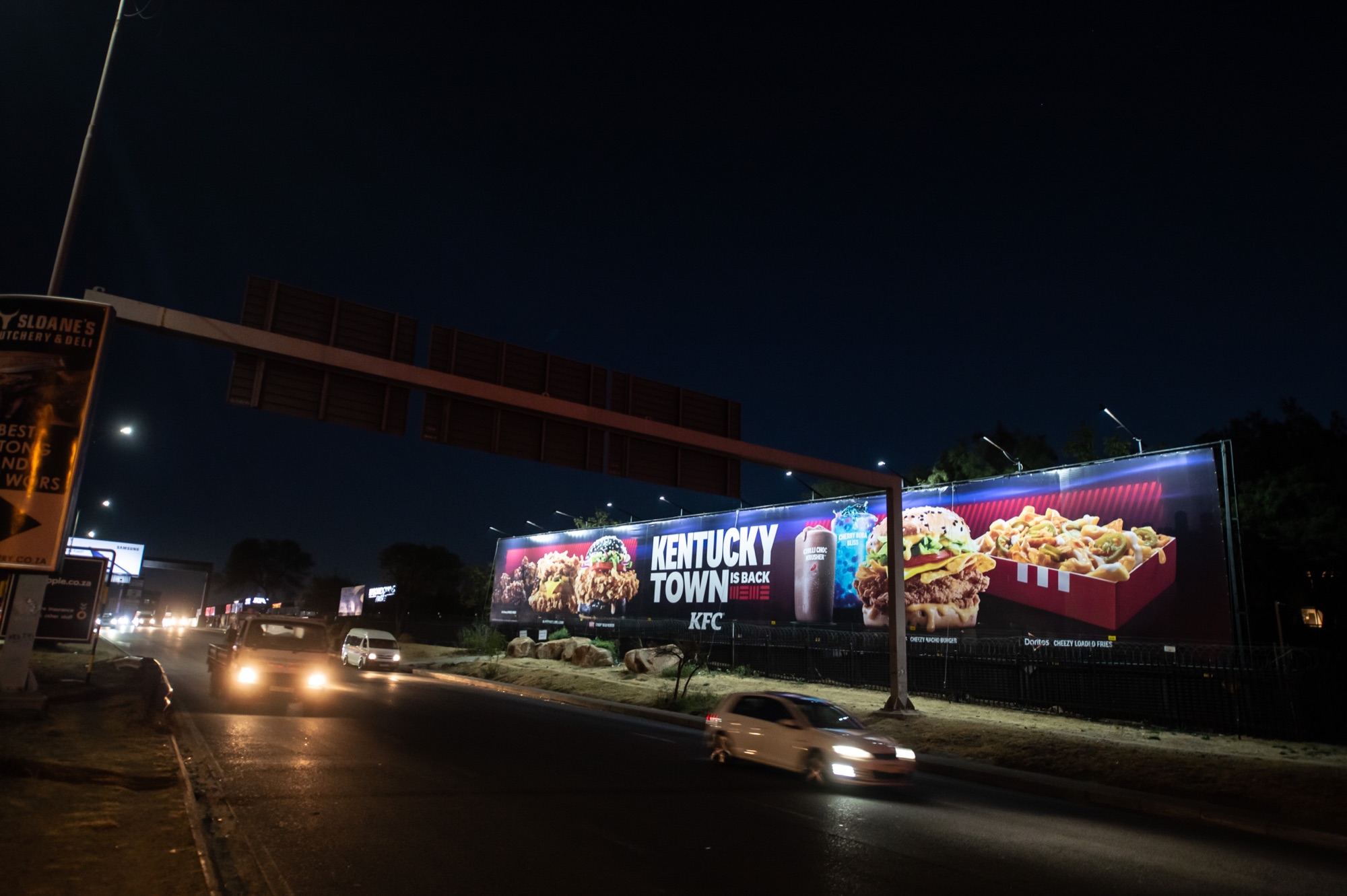
In 2026, the narrative around OOH has shifted decisively. No longer seen as a channel that delivers awareness alone, OOH is now recognised as a critical driver of measurable brand outcomes - impacting recall, consideration, brand perception, and ultimately purchase behaviour.
A New Era of Measurable Impact
Recent brand-lift studies consistently demonstrate that OOH delivers significant uplifts across key brand metrics, particularly in spontaneous and prompted awareness. What differentiates OOH from other media channels is its ability to deliver these gains at scale, while maintaining exceptionally high levels of attention.
Unlike digital environments where ads are often skipped, blocked, or ignored, OOH exists in the physical world. It engages audiences in moments of high dwell time - whether commuting, shopping, or moving through high-footfall urban environments - ensuring messaging is both unavoidable and impactful.
Crucially, this attention translates into measurable outcomes. OOH is no longer just seen; it is remembered.
Driving Brand Metrics That Matter
The effectiveness of OOH is increasingly validated through brand-lift measurement, with campaigns consistently driving improvements across:
- Brand awareness and recall
- Consideration and intent
- Brand favourability
- Purchase influence
For new-to-market brands, particularly in highly competitive sectors such as betting - OOH plays a vital role in establishing legitimacy at speed. The physical presence of large-format media signals scale, credibility, and confidence, enabling emerging brands to stand shoulder-to-shoulder with established competitors.
This is particularly important in categories where trust and visibility are essential to driving early adoption.
Strategic Concentration and Audience Quality
OOH effectiveness is not only driven by scale, but by the quality of environments in which campaigns appear.
New Wave’s footprint is strategically concentrated within Johannesburg’s most economically active precincts, including Sandton, Melrose Arch, and Rosebank, as well as high-traffic arterial commuter corridors. These locations attract affluent, mobile audiences with strong purchasing power and high daily movement frequency.
This strategic concentration enables brands to achieve repeated, high-impact exposure within the moments that matter most - during daily commutes and habitual movement patterns and therefore ultimately strengthening both memory encoding and long-term brand impact.
In this context, frequency is not a by-product of media planning; it is a deliberate driver of effectiveness.
Data-Driven Planning for Smarter Campaigns
Another defining evolution in OOH is the integration of data and analytics into planning and measurement frameworks.
From mobility data and audience insights to programmatic buying capabilities, OOH is increasingly planned with the same level of precision and accountability as digital channels. This enables marketers to:
- Identify and target high-value audience segments
- Optimise site selection based on real-world movement patterns
- Improve campaign efficiency and effectiveness
- Clearly demonstrate return on investment
As measurement capabilities continue to advance, OOH is becoming one of the most accountable channels in the media mix, combining the impact of brand building with the rigour of data-led decision making.
The Role of OOH in the Modern Media Mix
OOH’s strength lies in its ability to anchor integrated media strategies. While digital channels often focus on performance and immediacy, OOH delivers the emotional and visual impact required to build lasting brand memory.
When used as part of a broader campaign, OOH:
- Extends reach into the physical world
- Reinforces messaging across multiple touchpoints
- Enhances overall campaign effectiveness
- Drives synergy with digital and mobile channels
In an era where consumers are constantly switching between screens and environments, OOH provides a consistent, high-impact brand presence that bridges both worlds.
Looking Ahead
As we move further into 2026, the case for OOH continues to strengthen. Increased investment in measurement, expanded data capabilities, and ongoing innovation in formats and technology are redefining what the channel can deliver.
For marketers seeking to balance creativity with measurable outcomes, the message is clear: OOH is no longer optional, it is essential.
By combining scale, attention, context, and accountability, OOH stands as one of the most powerful and effective channels in the modern media landscape.