
If 2026 has taught us anything, it is this. In a world obsessed with optimisation, targeting, and dashboards that refresh faster than your morning coffee, Out-of-Home (OOH) is quietly doing what it has always done best. It is being seen, being remembered, and being trusted.
The Attention Economy Has a Plot Twist
For years, we have chased attention in digital spaces, often assuming that more impressions equals more impact.
The reality looks different.
Out-of-home ranks highest in consumer ad equity across all channels. Digital out-of-home follows closely behind. Together they prove that physical presence combined with digital flexibility is not a compromise. It is a multiplier.
People are not just looking to see advertising. They want to experience it in environments that feel less intrusive, more credible, and naturally part of their everyday lives.
OOH does not compete for attention. It earns it.
From Reach to Receptivity: The Metric That Actually Matters
Marketing has long prioritised reach. OOH has always delivered on that.
But in 2026, reach without receptivity is just noise. It is no longer about how many people saw something, but how open they were to seeing it.
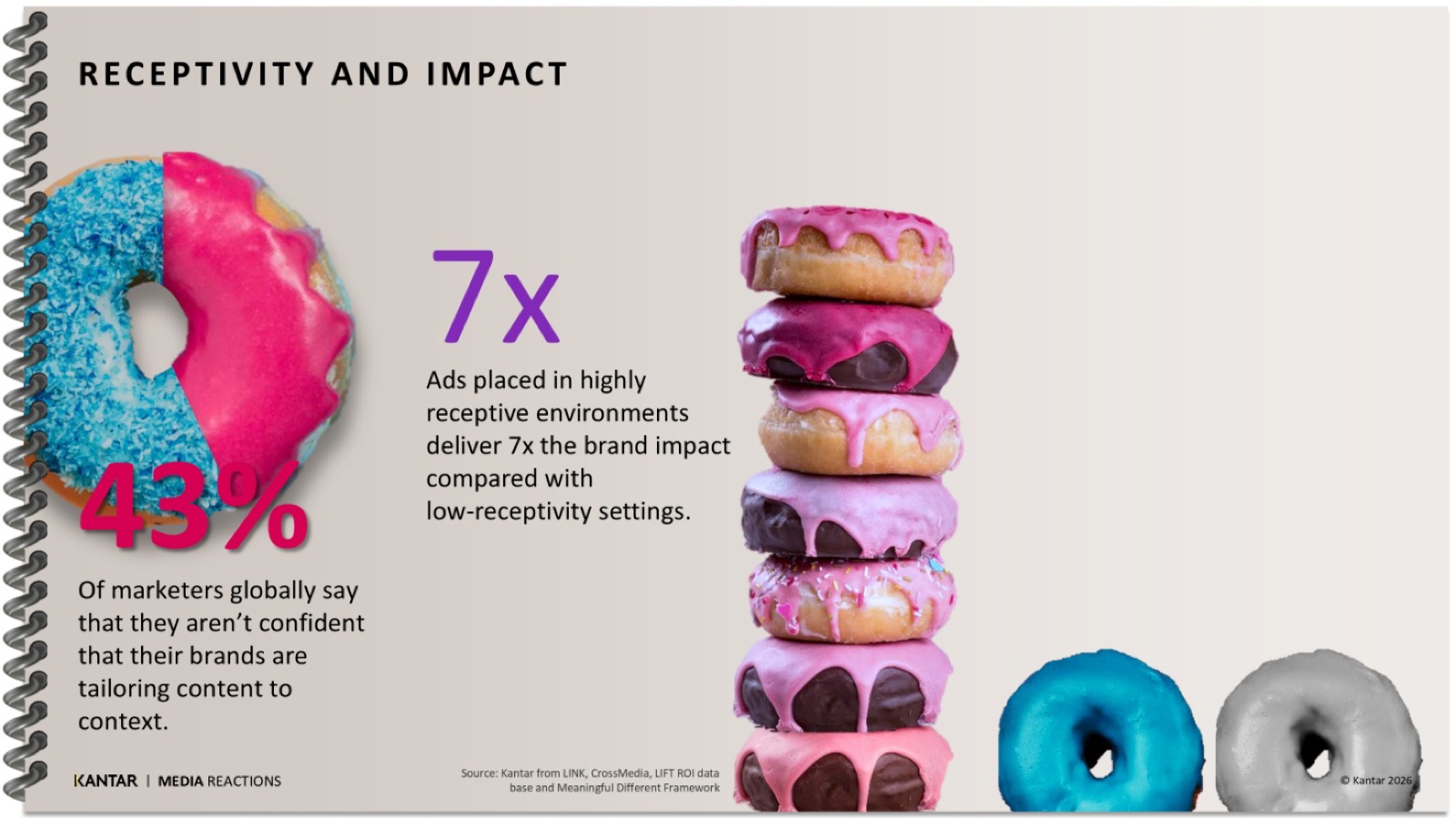
The shift is clear. Ads in highly receptive environments can deliver up to seven times greater brand impact. At the same time, a significant share of marketers admit they are not confident in tailoring content to context.
OOH has always understood this.
Context is not something added later. It is the medium itself. Whether it is a billboard near a taxi rank, a transit placement during rush hour, or a digital screen at the point of need, OOH lives inside the moment.
It does not interrupt. It belongs.
The Creative × Media Equation Isn’t 50/50. It’s Chemistry
For years, effectiveness has been framed as a simple split between media and creative. It is neat and easy to explain, but it misses the point.
Effectiveness happens when creative, which carries form and meaning, and media, which brings force and momentum, work in dynamic balance. They amplify each other.
OOH makes this relationship impossible to ignore.
When media becomes this public and this physical, there is no such thing as a neutral placement. Every placement shapes meaning.
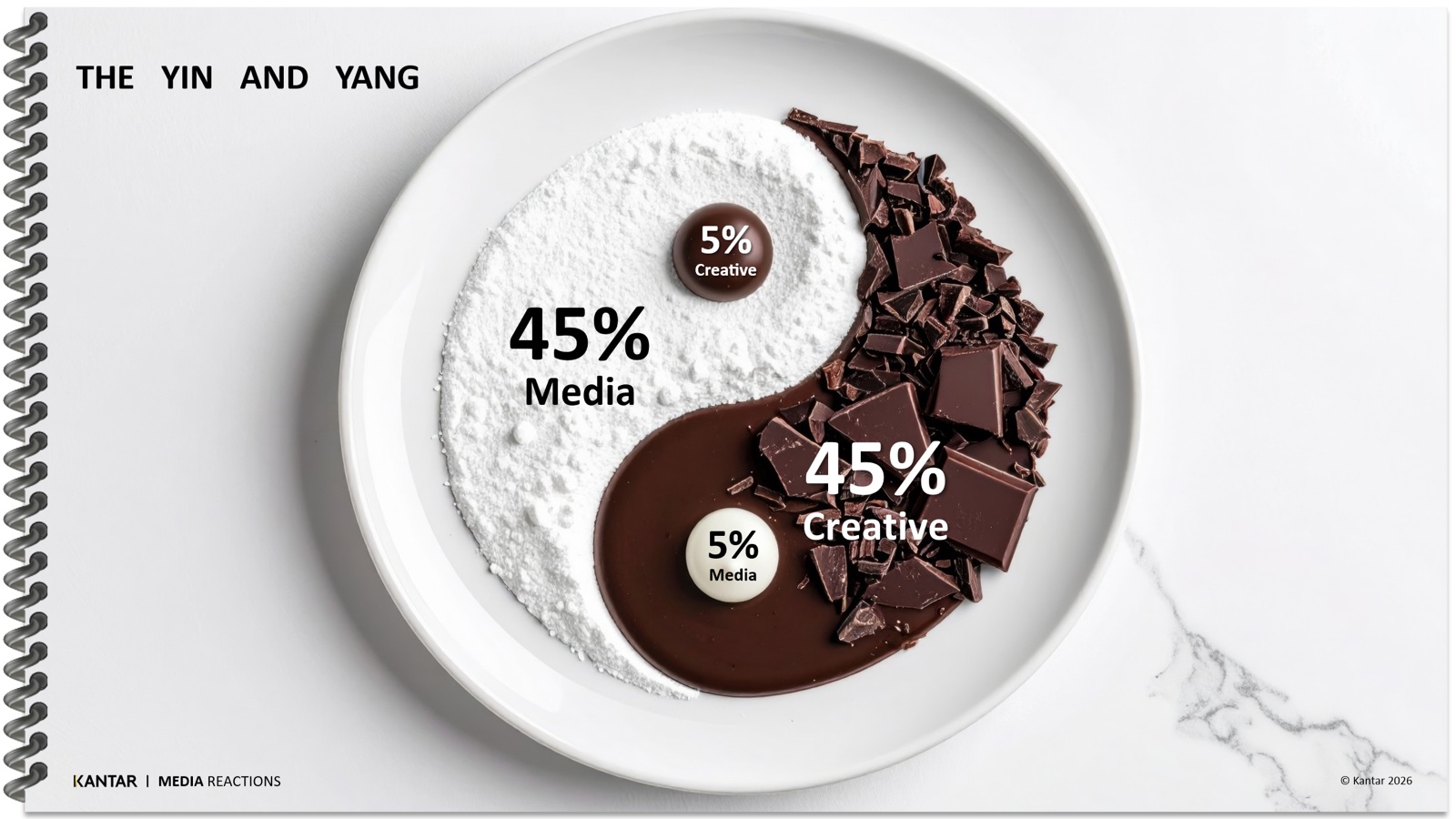
A strong OOH campaign does not just scale a message. It elevates it.
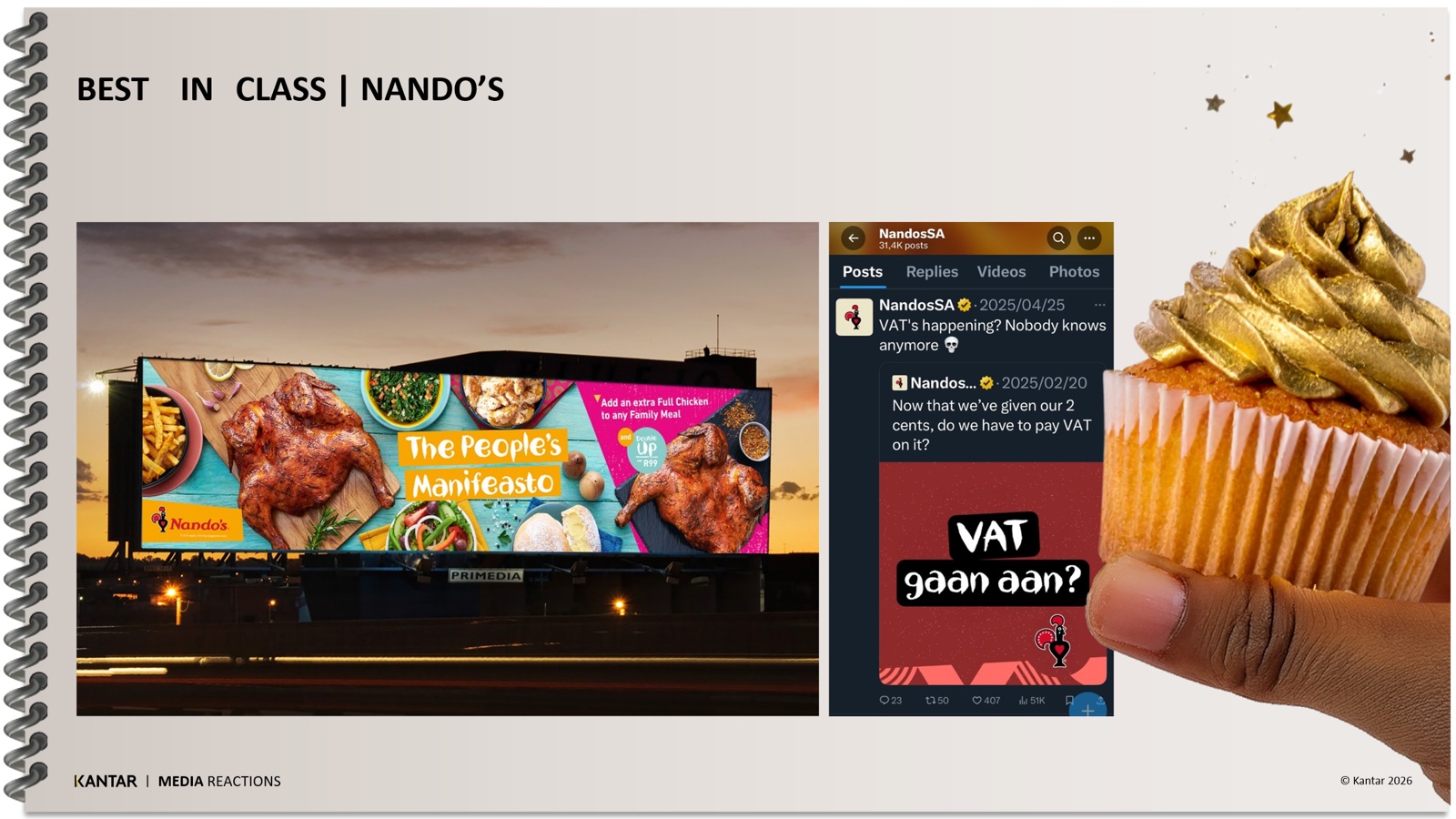
Think about Nando’s turning billboards into cultural commentary. Consider how Checkers Sixty60 makes speed feel cinematic. Look at global brands transforming transit and retail spaces into storytelling environments.
This is not media doing its job. This is media becoming the stage.
OOH: Where Media and Creative Start Working Together
OOH is one of the few channels where media and creative cannot be separated.
Weak creative is immediately exposed. Strong creative is naturally amplified.
This is because OOH demands clarity. There is no luxury of long attention spans. The space is real, the moment is shared, and the impact is immediate.
This constraint is its strength.
It pushes for sharper thinking, stronger ideas, and better execution. When it works, the effect is undeniable.
Mindset Matters More Than Medium
Here is the uncomfortable truth.
Even with strong performance, investment continues to shift toward digital channels because they are perceived as easier to measure.
But perception does not always reflect effectiveness.
Digital channels often deliver precision, yet they are increasingly experienced as intrusive, repetitive, and lower in quality. OOH offers a different exchange. It delivers presence, context, and credibility.
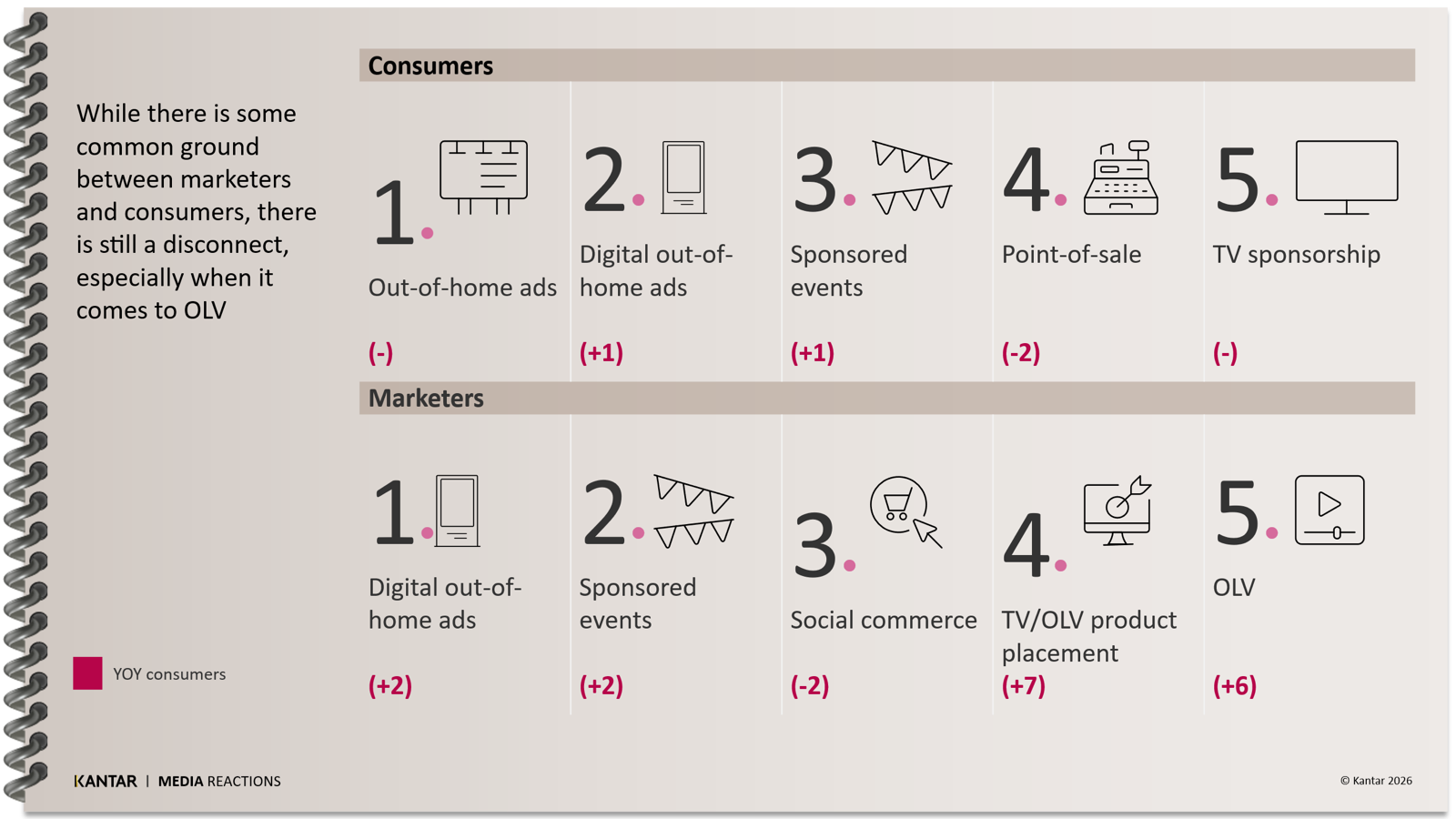
What this reveals is simple. We have been optimising for what is easy to measure rather than what truly moves people.
OOH challenges that mindset.
It asks a more important question. Are you building presence, or simply tracking performance?
The Bottom Line
OOH is not making a comeback. It never left.
What has changed is everything around it.
In a world filled with skips, scrolls, and endless noise, OOH does something quietly powerful. It shows up fully, publicly, and unavoidably.
It reminds us that the most effective advertising does not just reach people. It meets them where they already are.