
Digital out-of-home (DOOH) has always been one of the most powerful ways for brands to create visibility in the real world. A roadside digital billboard, a screen in a mall, a display at a transport hub, or a network of screens across busy urban locations can help advertisers reach people as they move through their daily lives.
Across Africa, DOOH is growing rapidly as more media owners invest in digital screens and advertisers look for high-impact media beyond mobile, social, and online channels. But as the market evolves, advertisers are changing how they plan, buy, and measure these campaigns. They want speed, flexibility, and most importantly data.
This is where programmatic digital out-of-home, or programmatic DOOH, becomes a game-changer.
What is Programmatic DOOH
For many media owners, “programmatic” can sound like intimidating tech jargon. But at its core, the concept is simple. Think of it like booking a flight: instead of calling an airline agent to manually check seats, look up prices, and write a ticket, passengers use an automated system that finds open seats instantly. Programmatic DOOH does the exact same thing for your digital screens. It is a smarter, automated way of making your screen inventory available to advertisers and agencies around the world.
Instead of relying solely on manual bookings, rigid rate cards, endless emails, and back-and-forth campaign coordination, you connect your screens to a digital marketplace. From there, advertisers can discover your screens, bid on them, and launch campaigns automatically based on real-world triggers like time of day, weather, or foot traffic.
Crucially, programmatic does not replace your traditional sales team—it empowers them. It allows your team to focus on high-value, long-term brand relationships, while the automated system automatically fills your unsold or “remnant” screen time. It is about maximizing your yield (getting the most revenue out of every second your screens are running) and putting your network on the global map.
The Missing Link: Your Technology Enabler
Shifting to automation doesn’t mean you need to build your own software or become a tech company. That is where a global technology partner like Moving Walls comes in. Moving Walls acts as the bridge. They provide the specialized supply-side technology (software designed specifically for media owners) that plugs directly into your physical screens. By partnering with Moving Walls, you instantly turn your traditional digital network into an automated, programmatic-ready powerhouse, making it effortlessly simple for global and regional agencies to discover, plan, and buy your screens
Why This Matters for Media Owners
Africa is a diverse and fast-moving region. Each market has different audience patterns, advertiser needs, media owner networks, and levels of digital maturity. This creates both incredible opportunity and operational complexity.
For Advertisers and Agencies: It can be difficult to plan campaigns across multiple African markets if each screen network operates as an isolated island. Buyers are forced to speak to dozens of different owners, collect information from fragmented sources, and manage campaign delivery manually.
For Media Owners: This fragmentation limits your growth. Even if you own the best, highest-traffic billboard locations in the city, you might miss out on massive regional or international campaigns simply because global media buyers cannot see your inventory on their buying dashboards.
Programmatic DOOH solves this gap by making your inventory instantly visible to global demand. This is the fastest way to attract regional advertisers, international brands, and digital-first buyers who are used to automated, measurable workflows.
The Operational Advantages of Automating
1. Less Manual Work, Fewer Errors
Selling a campaign traditionally requires a mountain of operational work: coordinating availability, chasing artwork approvals, manual scheduling, and pulling proof-of-play reports. When done manually, it drains your team’s time and increases the risk of scheduling errors. Programmatic automation handles the repetitive logistics, allowing your team to spend less time on admin and more time building profitable client relationships.
2. Total Expiry Protection (Better Inventory Use)
Digital screen time is highly valuable, but it is also completely perishable. Once an hour passes with an empty slot, that revenue is gone forever. Programmatic opens a secondary tap of demand. While you still sell your premium slots directly to your core clients, programmatic quietly fills the empty gaps in your schedule that would otherwise go to waste.
3. Trust Through Transparent Measurement
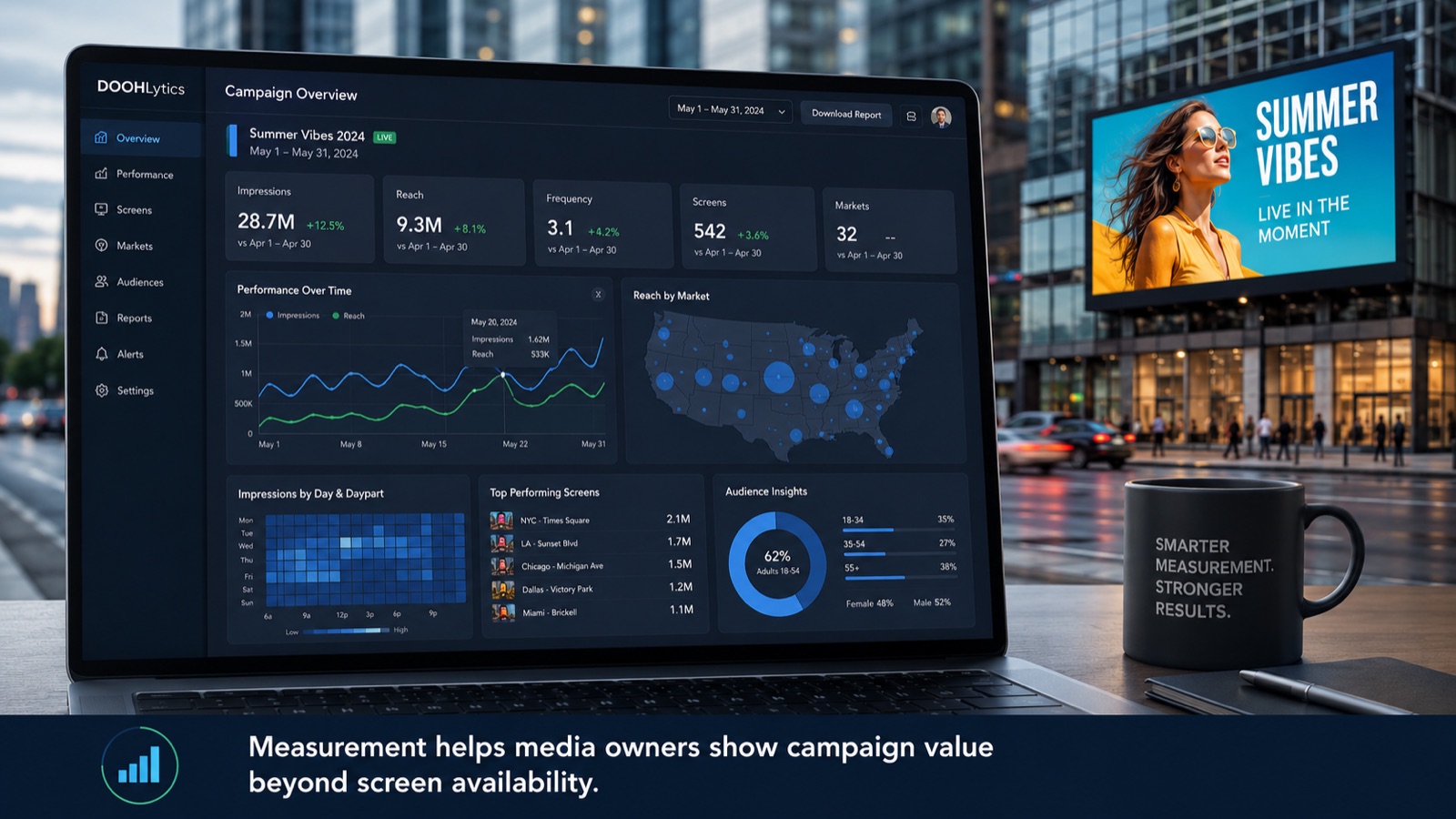
Modern advertisers demand data; they want to know exactly when their ad played and how many estimated people saw it. Providing clear, verified proof-of-play reporting builds immense trust. By routing your inventory through Moving Walls, you gain access to automated measurement tools that prove the value of your screens, allowing you to price your inventory confidently and compete against online channels like Facebook or Google.
You Stay in Complete Control
The most important thing to remember is that technology does not take over your business. Media owners remain the absolute masters of their own networks.
Through the platform, you decide:
- Which screens or time slots are available programmatically.
- The exact minimum price (floor price) your inventory can be sold for.
- Which specific brands or industries are allowed to broadcast on your network.
Your local knowledge—understanding your city’s unique traffic flows, cultural nuances, regulations, and local relationships—is irreplaceable. Technology isn’t here to replace that expertise; Moving Walls simply gives you the tools to package it, scale it, and make it easy for the modern world to buy.
A Real Example: Scaling a Cultural Moment Across Africa
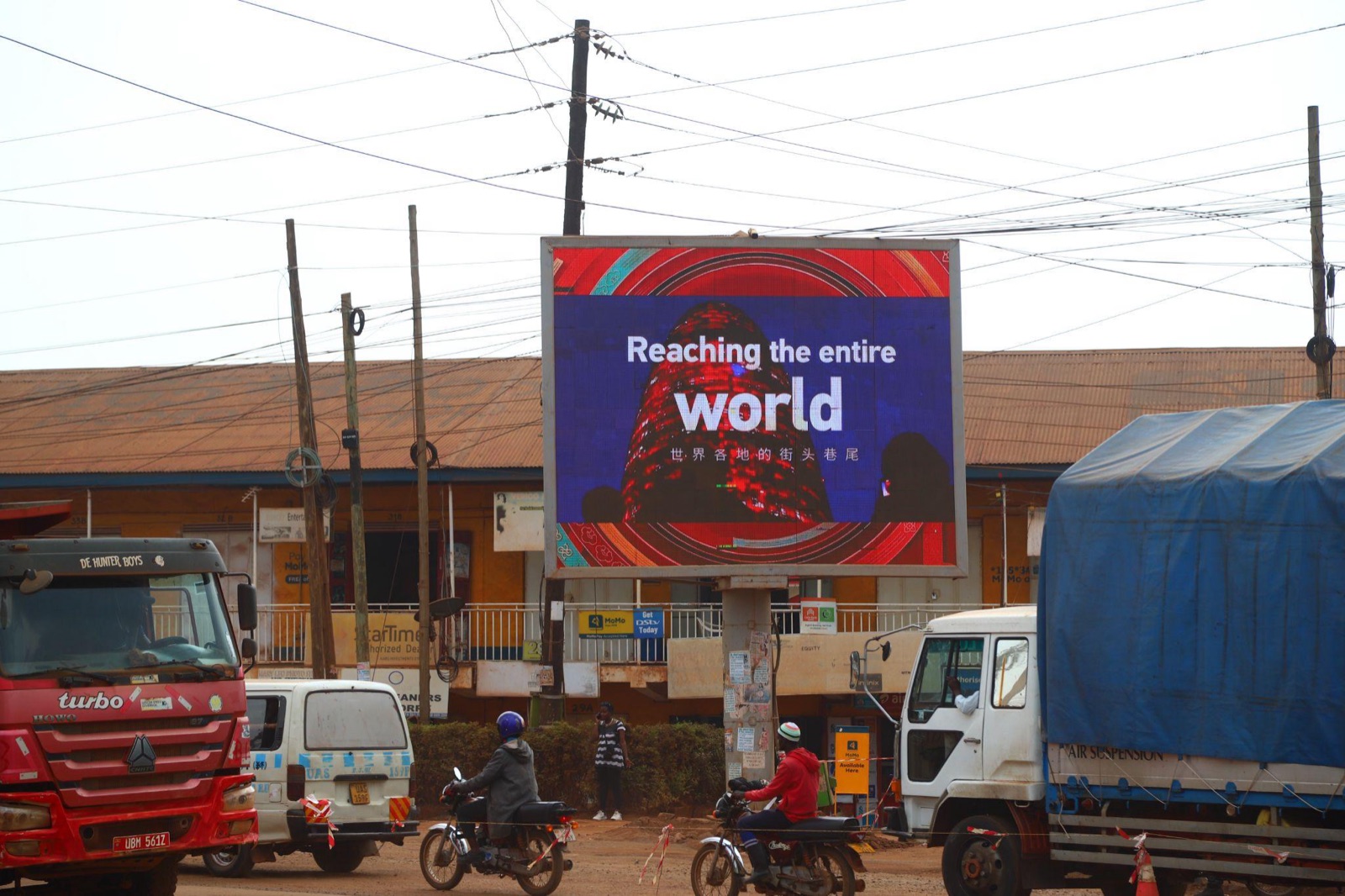
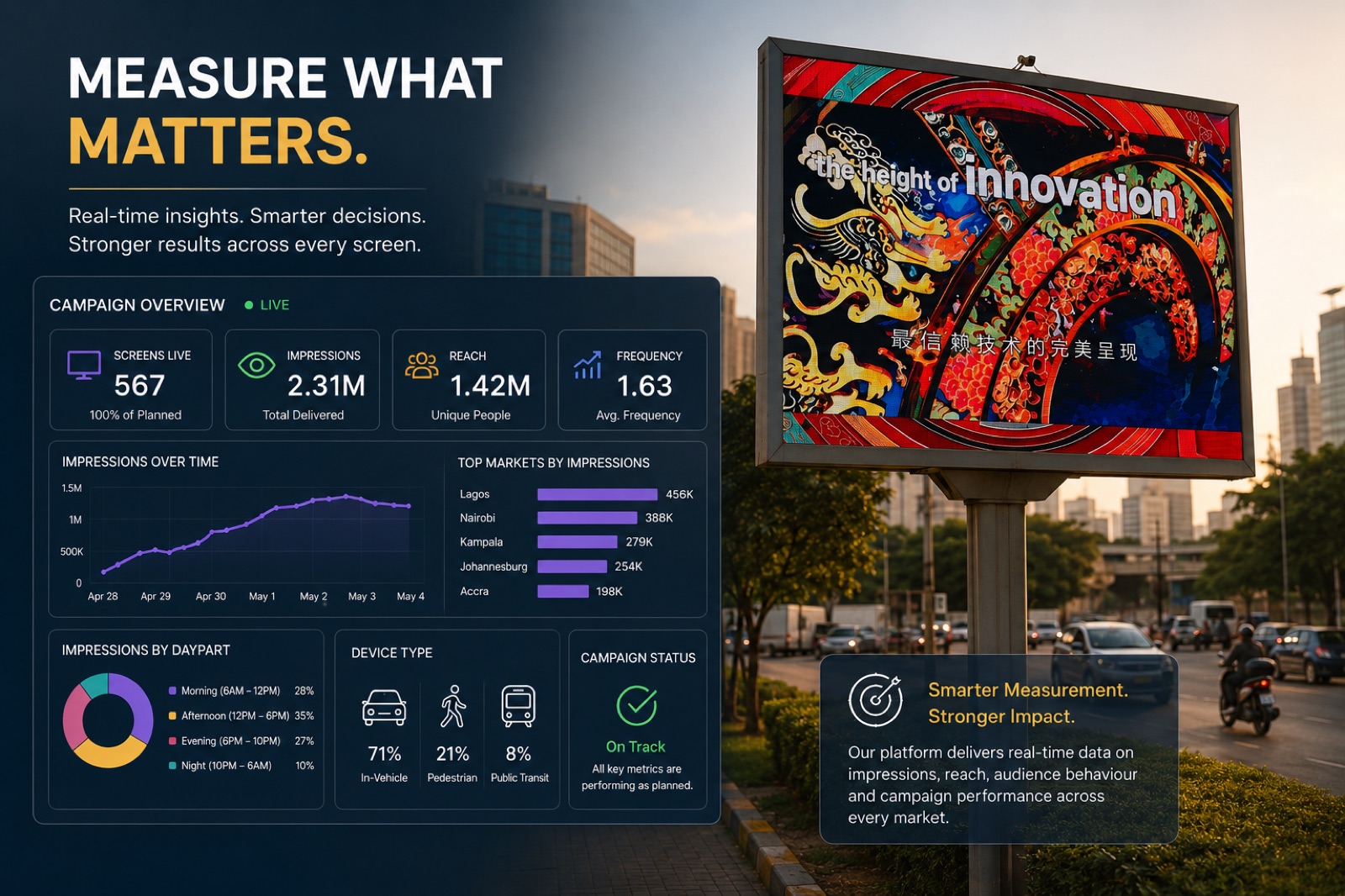
A recent example of this in action was the Chinese New Year campaign across Africa, enabled through Moving Walls’ connected DOOH infrastructure. The campaign activated 567 digital screens across 10 African countries with one unified creative for the CCTV Spring Festival Gala. It delivered 37.8 million estimated impressions within 24 hours, showing how connected DOOH infrastructure can support synchronised visibility across multiple markets.
For media owners, this type of campaign shows the future opportunity. When screens are connected and campaign workflows are coordinated, local inventory can become part of larger regional moments. This opens the door for more cross-market campaigns, cultural activations, product launches, tourism campaigns, retail promotions, and brand storytelling opportunities.
Preparing for the Next Stage of DOOH
Programmatic DOOH is still developing across many African markets, but the direction is clear. Advertisers and agencies are looking for media that is easier to plan, faster to activate, and clearer to measure.
For media owners, now is the right time to prepare.
This starts with making inventory more structured, improving screen and location data, building stronger reporting practices, and exploring technology partners that can help connect inventory to demand. It also means educating sales teams and clients on how programmatic can work alongside traditional DOOH sales.
The goal is not to change everything overnight. The goal is to create a stronger, more future-ready DOOH business.
Take the First Step
The shift toward programmatic is happening across Africa. You don’t have to navigate the technical complexities alone. Partnering with Moving Walls gives you the technology, the global demand connections, and the local support needed to turn your digital screens into an automated revenue engine. Ready to unlock global demand for your screens?
Reach out to the Moving Walls team today to learn how easily your network can be integrated into the programmatic ecosystem.